Long before it was called Chadds Ford, this valley was part of Lenapehoking — the homeland of the Lenni Lenape, the “original people” of the Delaware Valley. For centuries before European contact, the Lenape moved through this landscape along the waterways that still define it, fishing the Brandywine’s runs of shad, hunting the surrounding hardwood …

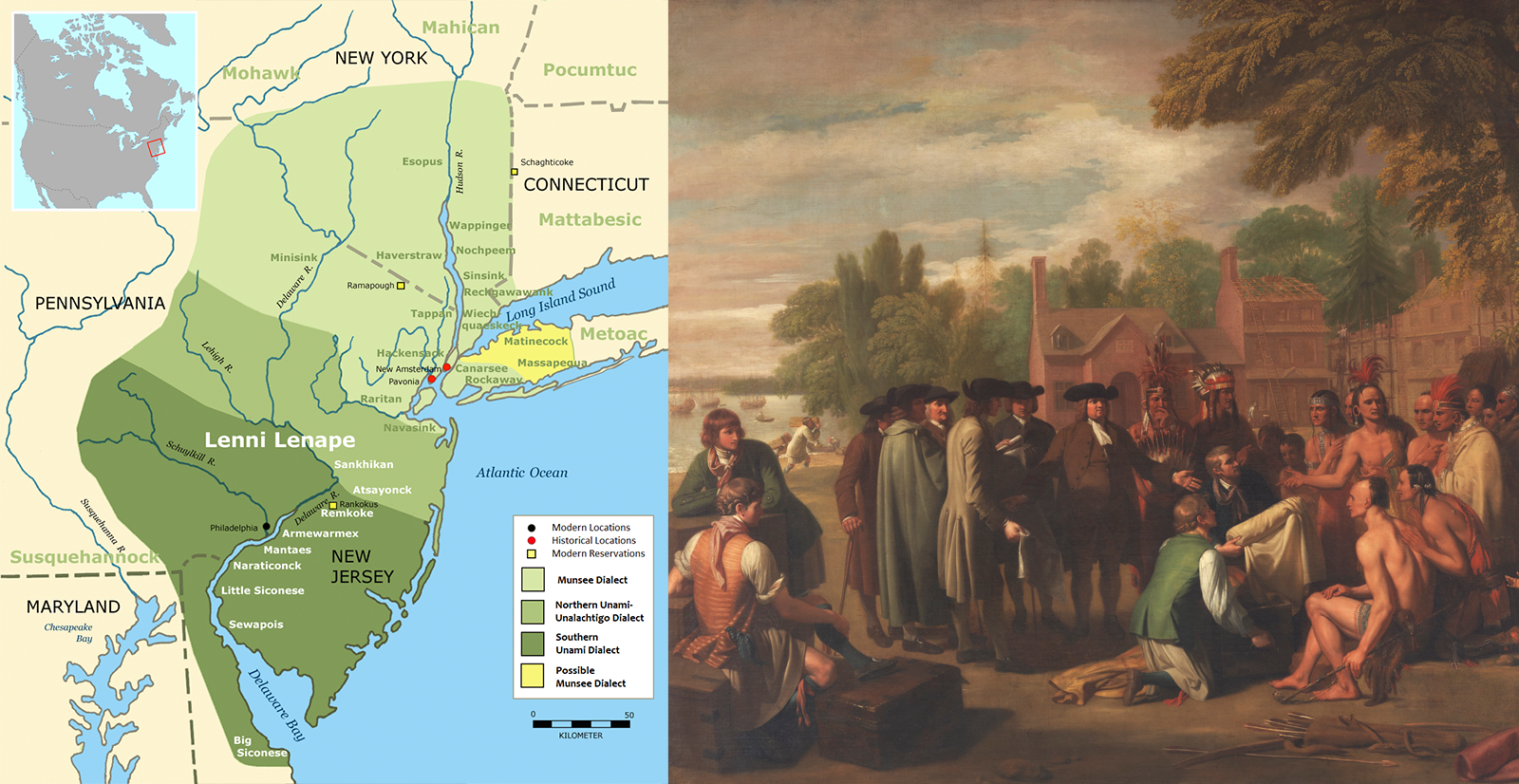
Part 1 - Pre-1700 Lenape Homeland
Villages & fishing along the Brandywine
Wherever you live, work, or play in America, you are standing on history. A creek runs through it — sometimes literally, sometimes as legacy — carrying the weight of the people, decisions, and sacrifices that made the ground beneath your feet what it is today. The land remembers what the maps may have forgotten. And as this nation marks 250 years of independence, that is worth pausing to consider.
America’s 250-year story is, at its core, a story of three forces that never stop moving: revolution, evolution, and reinvention. They show up in the grand sweep of history — in declarations and battlefields and constitutional conventions. But they also show up quietly, in the land beneath our feet, in the places where ordinary people lived, struggled, worked, thrived, and built something new from what came before.
In Chadds Ford, Pennsylvania, a creek tells that story. The Brandywine winds through a valley where nearly every chapter of American history has left its mark — and where, on a rise of ground along the old Baltimore Pike, a cluster of stone-and-frame barns has been reinvented, again and again, for more than two and a half centuries.
The Chadds Ford Barn Shops are not simply a charming shopping village undergoing creative reinvention and new ownership. The Barn Shops sit, in the most literal sense, on a piece of American history — a Lenape homeland, a Quaker frontier, the most fiercely contested battlefield of the American Revolution, the cradle of one of America’s most beloved schools of art, a mid-century artisan destination, and now a platform for the community, wellness, art, and land stewardship that will define what a rooted and prosperous next 250 years can look like. This is that story. But in a deeper sense, it is every American community’s story.

Long before it was called Chadds Ford, this valley was part of Lenapehoking — the homeland of the Lenni Lenape, the “original people” of the Delaware Valley. For centuries before European contact, the Lenape moved through this landscape along the waterways that still define it, fishing the Brandywine’s runs of shad, hunting the surrounding hardwood forests, and cultivating corn, beans, and squash in the fertile creek-side soils.
The creek itself was the throughline — a source of food, a highway, and a boundary — and it would remain all three, in different forms, through every chapter that followed. When the Swedes first reached the Brandywine in 1638, and when English Quakers arrived at the close of the seventeenth century, they entered a landscape already shaped by generations of human care. The name Brandywine is European; the shape of the land, and the paths across it, are older than any map. Brandywine primarily originates from the Brandywine Creek in Pennsylvania and Delaware. Its exact root is debated, but historians point to some theories: Settler Names: The English may have anglicized the surname of an early 17th-century Dutch or Swedish mill owner on the creek, Andreas Brainwende (or Brantwyn). Shipwreck Legend: A localized legend suggests a Dutch vessel carrying a shipment of brandy sank in the creek’s icy waters, giving it the name. Old Dutch/Swedish: The name could be a corruption of the Dutch word for brandy or gin (brandewijn) or the Swedish word for vodka (brännvin).
Part 2 – 1730’s Chad’s Ferry and the Ford Coming Soon